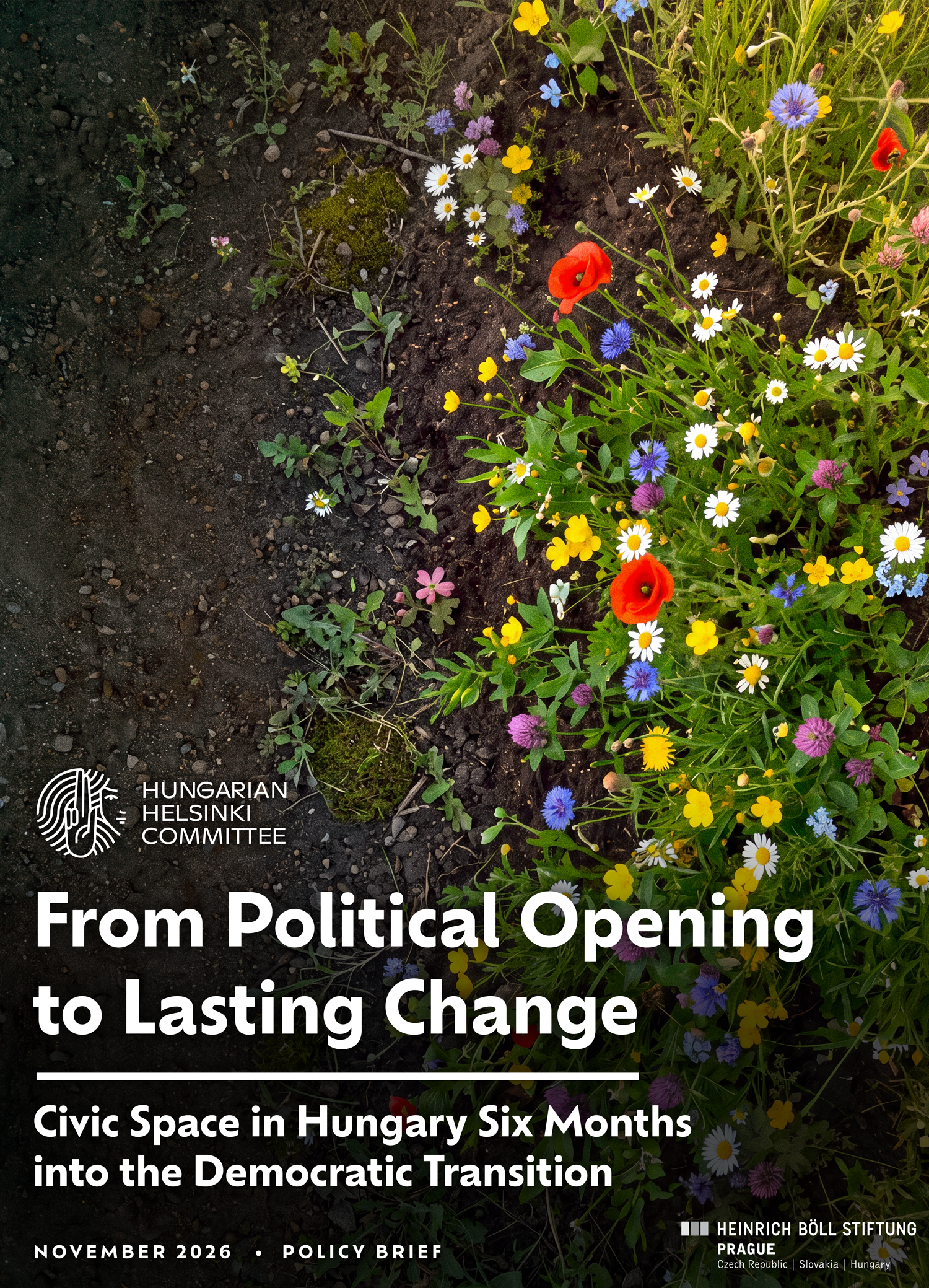
From Political Opening to Lasting Change: Civic Space in Hungary Six Months into the Democratic Transition
Six months after the change of Hungary’s government in May 2026, Hungarian civil society is operating in a markedly more open political environment following sixteen years of hostility, stigmatisation and systematic pressure under the Orbán governments. Government-led smear campaigns have receded, access to public institutions and media has improved, and several restrictive measures have been abolished or allowed to lapse, including the Sovereignty Protection Office. However, this political opening has yet to translate into lasting institutional safeguards. Some restrictive laws remain in force, public funding reform is still uncertain, and opportunities for civil society participation in policymaking remain inconsistent, often dependent on the goodwill of individual agencies rather than guaranteed by effective procedures.
The transition also presents new challenges for civil society organisations themselves, who are now expected to move from a predominantly defensive role towards more active advocacy, policy development and potential cooperation with public institutions. Many civil society organisations face depleted capacities and growing financial insecurity, as domestic funding remains unreformed, individual donations decline and international funding opportunities come under pressure. The challenge is therefore to move from political goodwill to systemic change.
The Hungarian Helsinki Committee calls on the Hungarian government, the EU and the Council of Europe to work together to secure lasting improvements in civic space through legislative reform, fair and sustainable public funding, meaningful civil society participation in policymaking, and institutional support for an independent and resilient civil society.
The current political opening offers a rare opportunity to rebuild an independent, diverse and sustainable civil society in Hungary. The next stage of the transition should focus on lasting institutional change, including comprehensive legislative reform, transparent and sustainable public funding mechanisms, and structured public participation avenues.
➡️ Read our Policy Brief: From Political Opening to Lasting Change: Civic Space in Hungary Six Months into the Democratic Transition
The Hungarian Helsinki Committee gratefully acknowledges the support and cooperation of the Heinrich-Böll-Stiftung Office in Prague in conducting the research and preparing this policy brief. We also extend our sincere thanks to the civil society representatives who generously shared their time, experiences and insights and contributed to this research through interviews and consultations.
The world is changing. Our devotion to human rights remains the same.
Please donate to the Hungarian Helsinki Committee, so that we can continue to stand up for human dignity and offer professional legal help to those who need it most.